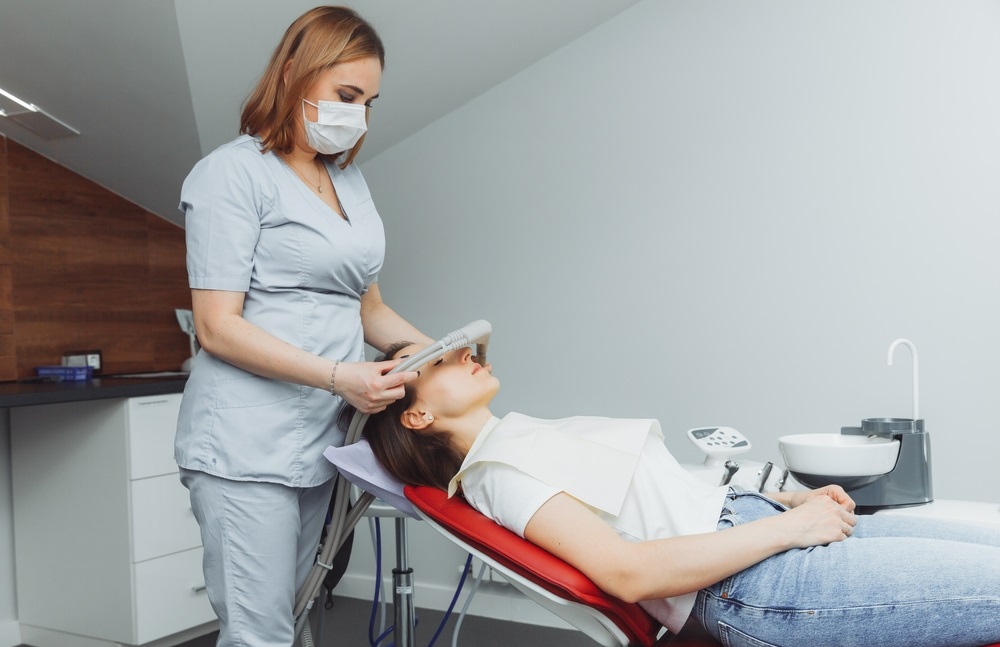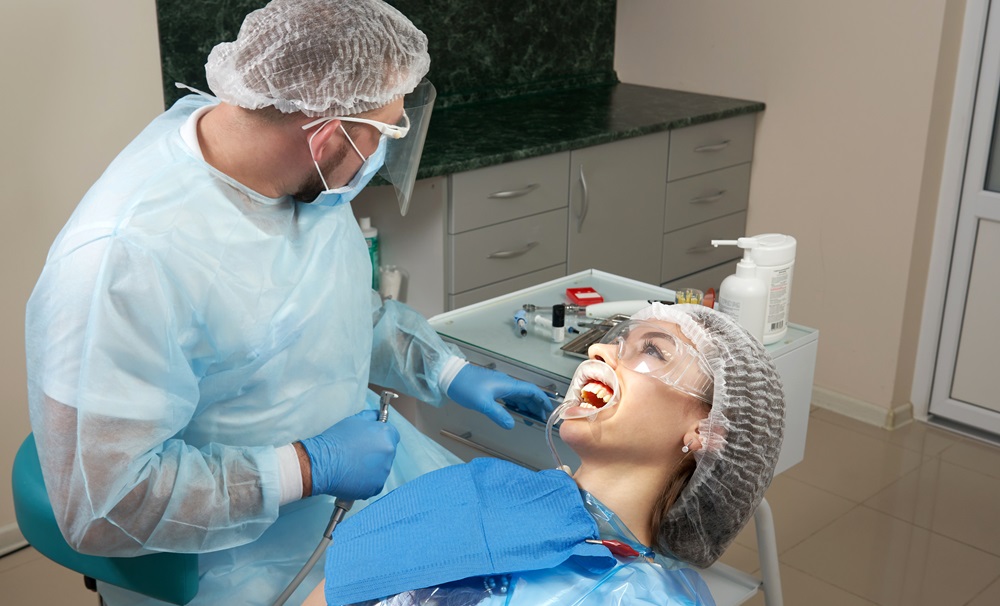

Dentists adjust nitrous oxide concentrations based on your anxiety level and treatment needs.
For mild anxiety, you’ll receive 20-50% nitrous oxide sedation in dentistry mixed with oxygen, while severe anxiety cases may require 50-70% concentrations for effective calming.
How Much Nitrous Oxide Do You Get for Mild Anxiety?
Dentists start with 20-30% nitrous oxide for mild anxiety cases. This low concentration helps you relax without losing consciousness or control.
When you have mild dental anxiety, your dentist will begin the nitrous oxide sedation in dentistry process with the lowest effective dose. Most patients feel calm and comfortable at 20-25% concentration. The gas takes effect within two to three minutes, creating a floating sensation that reduces nervousness.
Your dentist monitors your response and may increase the percentage to 40-50% if needed. However, concentrations above 50% are rarely necessary for mild anxiety. The goal is to keep you relaxed while maintaining your ability to respond to instructions and breathe normally.
Research from the American Dental Association shows that 70% of patients with mild anxiety achieve adequate sedation at concentrations between 25-40%. This range provides effective anxiety relief without significant side effects.
What Concentration Works for Severe Dental Anxiety?
Severe anxiety typically requires 50-70% nitrous oxide concentrations for effective sedation. Dentists carefully titrate the dose based on your individual response and medical history.
If you experience panic attacks or severe phobia about dental procedures, your dentist will use higher concentrations. The process still starts low, around 30%, and gradually increases every few minutes until you reach a comfortable state.
Most patients with severe anxiety need 55-65% nitrous oxide to achieve adequate relaxation. At these levels, you’ll feel significantly more detached from the procedure while remaining conscious and responsive.
Studies indicate that 85% of patients with severe dental phobia successfully complete treatments when receiving 60-70% nitrous oxide. However, concentrations above 70% can cause nausea and dizziness, so dentists avoid exceeding this threshold.
How Do Dentists Determine Your Dosage?
Your dentist considers your weight, anxiety level, medical history, and procedure complexity when determining nitrous oxide dosage. The titration process ensures you receive the minimum effective dose.
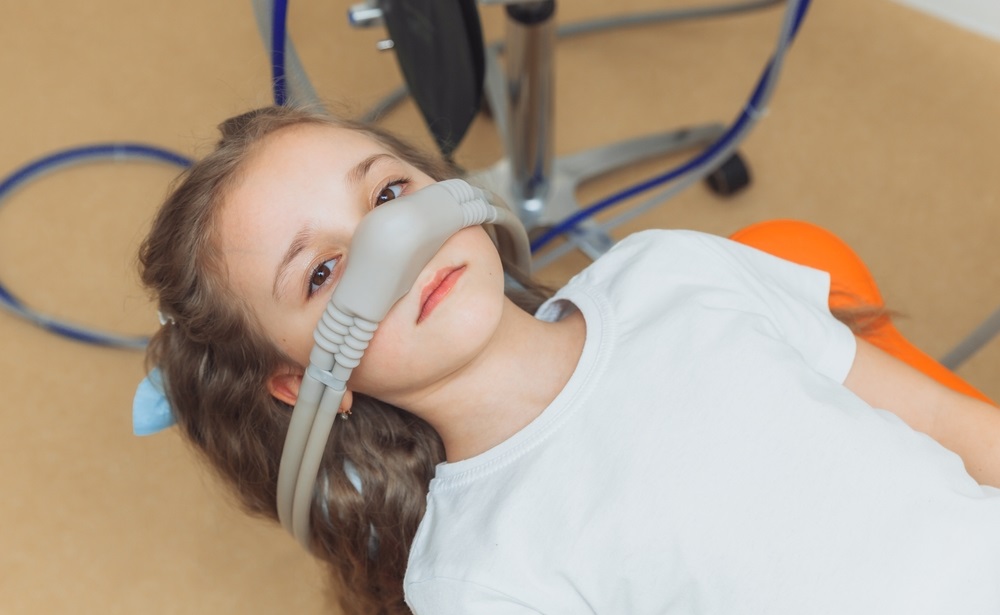
Dentists follow a systematic approach to dosing. They start with 10-20% nitrous oxide and increase by 10% every two to three minutes. You’ll breathe through a nasal mask that delivers the gas mixed with oxygen.
Your body weight influences how quickly you absorb the gas. Larger patients may need slightly higher concentrations to achieve the same effect as smaller individuals. However, the difference is usually minimal.
Medical conditions also affect dosage decisions. Patients with respiratory issues, pregnancy, or certain medications may receive lower concentrations or alternative sedation methods.
What Should You Expect During Treatment?
Nitrous oxide creates a euphoric, floating sensation that reduces anxiety without eliminating awareness. You’ll remain conscious and able to communicate throughout the procedure.
The effects begin within minutes of breathing the gas. You’ll notice a tingling sensation in your hands and feet, followed by a feeling of warmth and relaxation. Many patients describe feeling like they’re floating or dreaming while still aware of their surroundings.
Your dentist will adjust the concentration based on your comfort level. If you feel too sedated or experience nausea, they’ll immediately reduce the percentage. The goal is finding your optimal comfort zone.
After the procedure, your dentist switches you to pure oxygen for five minutes. This flushes the nitrous oxide from your system, and you’ll feel normal within minutes. Unlike other sedation methods, nitrous oxide doesn’t require recovery time.
How Safe Are These Dosage Ranges?
When properly administered by trained professionals, nitrous oxide is extremely safe at concentrations up to 70%. Serious complications are rare when dentists follow established protocols.
The safety record of nitrous oxide spans over 150 years of medical use. Modern delivery systems include fail-safes that prevent oxygen levels from dropping below 30%, ensuring patient safety even at higher concentrations.
Side effects are typically mild and temporary. About 15% of patients experience slight nausea, dizziness, or headaches. These symptoms resolve quickly when the gas concentration is reduced or discontinued.
Dentists receive specialized training in nitrous oxide administration and emergency procedures. They monitor your breathing, heart rate, and responsiveness throughout treatment to ensure your safety.
Frequently Asked Questions
How quickly does nitrous oxide work?
Nitrous oxide takes effect within two to three minutes of breathing through the nasal mask. You’ll notice relaxation and euphoria almost immediately.
Can children receive nitrous oxide?
Yes, dentists commonly use nitrous oxide for pediatric patients. Children typically receive lower concentrations, usually 25-40%, based on their size and cooperation level.
Will you remember the dental procedure?
Most patients retain memory of their treatment while using nitrous oxide. The gas reduces anxiety and discomfort but doesn’t cause amnesia like stronger sedation methods.
How long do the effects last?
Nitrous oxide effects end within five minutes after switching to pure oxygen. You can drive and return to normal activities immediately after treatment.
Are there any restrictions before using nitrous oxide?
You can eat normally before nitrous oxide sedation. However, inform your dentist about medications, pregnancy, or respiratory conditions that might affect treatment decisions.The careful administration of nitrous oxide sedation in dentistry ensures comfortable dental experiences for millions of patients annually, with dosages tailored to individual anxiety levels and medical needs.