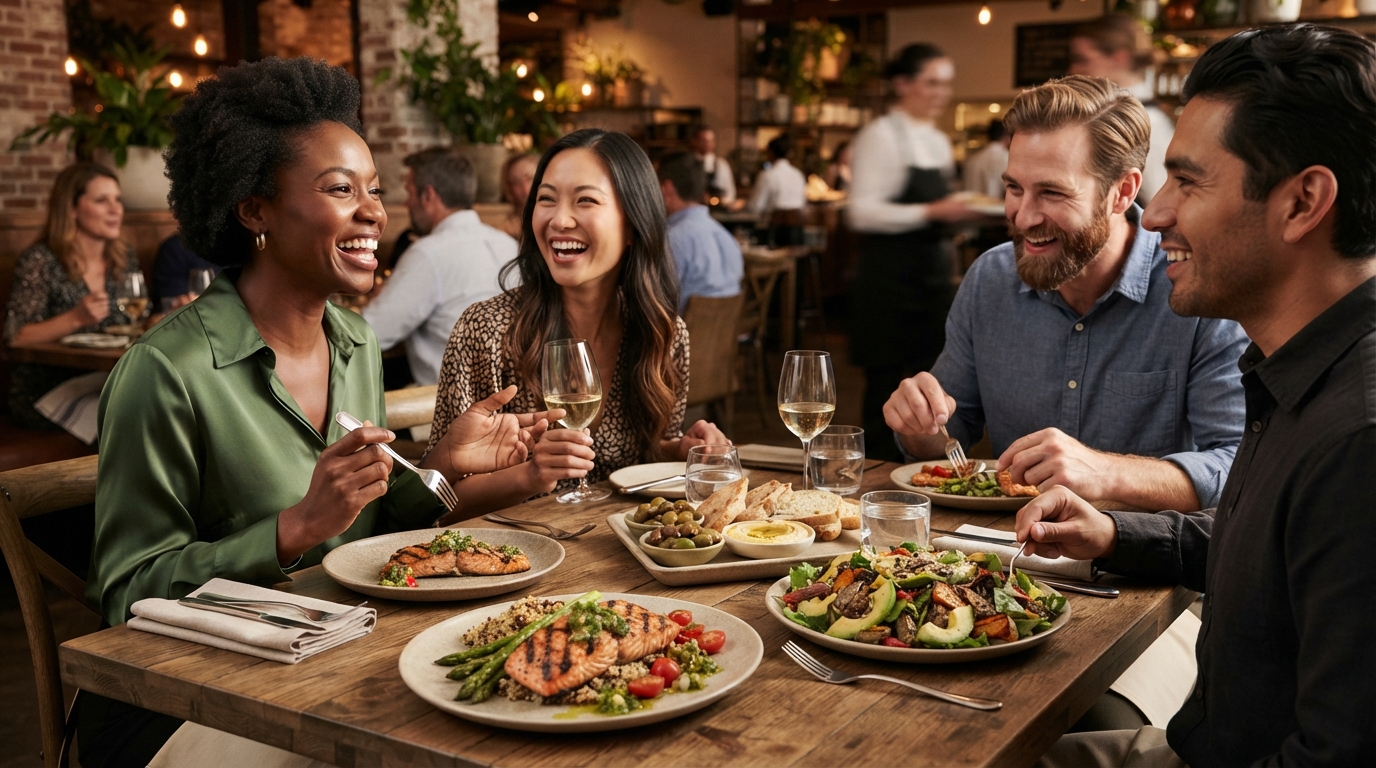

Gluten-free dining has become an important consideration for many restaurant guests. People who avoid gluten may do so because of diagnosed conditions such as celiac disease, gluten sensitivity, allergies, or personal dietary preferences. For these diners, choosing a restaurant involves more than finding a meal that sounds appealing. They often need confidence that menu choices, ingredients, and preparation methods align with their needs.
Restaurants that provide clear information, thoughtful menu planning, and knowledgeable service can create a more comfortable dining experience for guests seeking gluten-free options. A well-designed gluten-free approach helps diners understand available choices while allowing restaurants to serve a wider range of customers.
From ingredient transparency to menu variety, several factors influence how effectively a restaurant can support gluten-free dining needs.
Key Takeaways
- Gluten-free dining requires attention to ingredients, preparation methods, and communication.
- A clear gluten-free menu helps customers identify suitable meal options more easily.
- Restaurants should provide accurate ingredient information and train staff on customer questions.
- Cross-contact prevention is an important consideration for guests with medical gluten restrictions.
- Gluten-free meals can include a wide range of proteins, vegetables, soups, salads, and specialty dishes.
- Restaurant menus should balance dietary accommodations with flavor, variety, and overall dining experience.
- Customers should communicate their dietary requirements clearly when ordering.
What Does Gluten-Free Dining Mean?
Gluten is a group of proteins naturally found in grains such as wheat, barley, and rye. For individuals with celiac disease or certain gluten-related conditions, consuming gluten can trigger adverse health effects.
A gluten-free meal avoids ingredients containing gluten and requires careful attention during preparation.
Common gluten-containing ingredients may include:
- Wheat-based pasta
- Bread and rolls
- Flour-based sauces
- Certain baked goods
- Some processed ingredients
Gluten-free dining is not simply about removing bread from a plate. It involves understanding ingredients, cooking methods, and potential sources of gluten exposure.
The Celiac Disease Foundation provides educational information about celiac disease, gluten exposure, and dietary considerations for people who require a gluten-free diet.
Why Gluten-Free Menu Options Matter
A dedicated gluten-free menu or clearly identified options can make restaurant decisions easier for guests.
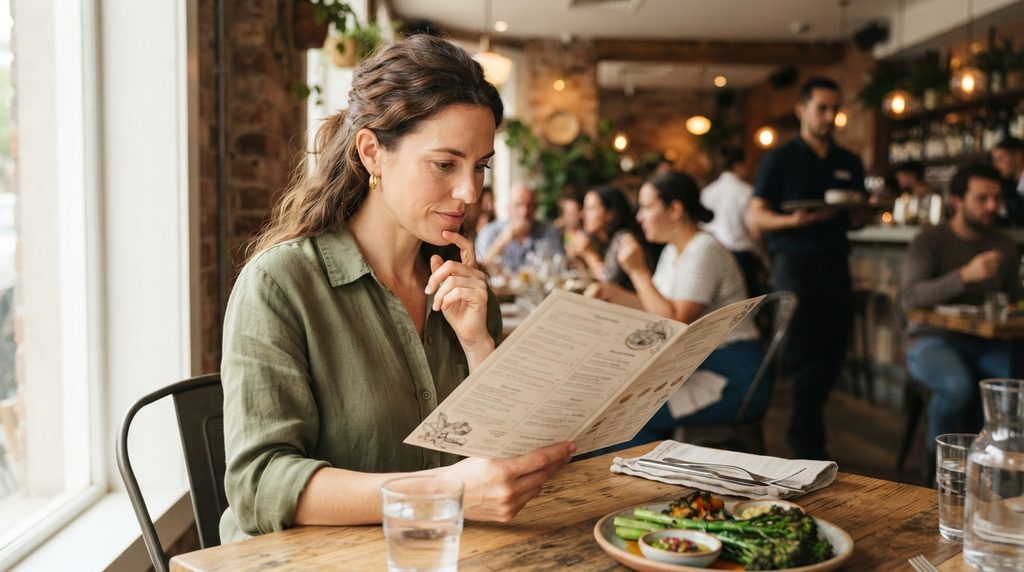
Without clear information, diners may need to ask detailed questions about every ingredient and preparation method.
A well-organized gluten-free menu can help customers identify:
- Available gluten-free meals
- Ingredient information
- Substitution options
- Preparation details
- Suitable categories
Clear communication improves confidence before the order is placed.
How Restaurants Can Create Better Gluten-Free Dining Experiences
Supporting gluten-free diners involves more than adding a few menu items. It requires attention throughout the dining process.
Important areas include:
- Menu development
- Ingredient selection
- Staff knowledge
- Kitchen procedures
- Customer communication
Each step contributes to creating a more reliable experience.
Why Ingredient Transparency Is Important
Ingredients are one of the biggest considerations for gluten-free diners.
A dish may appear gluten-free but contain gluten through:
- Sauces
- Seasonings
- Marinades
- Dressings
- Thickening agents
- Garnishes
Restaurants can support customers by providing accurate information about what goes into each dish.
Useful menu details may include:
- Main ingredients
- Sauce descriptions
- Available substitutions
- Dietary notes
Transparency allows guests to make more informed choices.
How Gluten-Free Menus Help Customers Make Decisions
A dedicated gluten-free menu gives diners a clearer starting point.
Instead of reviewing every menu item individually, customers can quickly identify meals designed around their dietary needs.
A useful gluten-free menu may include:
- Appetizers
- Soups
- Salads
- Entrees
- Side dishes
- Desserts
For guests searching for gluten free restaurant options, clear menu organization can make choosing a restaurant much easier.
What Types of Meals Can Be Gluten-Free?
Gluten-free dining does not have to mean limited choices.
Many naturally gluten-free ingredients can be used to create flavorful meals.
Examples include:
Protein-Based Meals
Many proteins are naturally gluten-free when prepared without gluten-containing ingredients.
Options may include:
- Grilled chicken
- Steak
- Seafood
- Eggs
Preparation methods and sauces still need to be considered.
Vegetable-Based Meals
Vegetables provide flexibility for gluten-free dishes.
Examples include:
- Salads
- Roasted vegetables
- Vegetable sides
- Fresh ingredient combinations
Rice-Based Meals
Rice is naturally gluten-free and can serve as a base for many meals.
Examples include:
- Rice bowls
- Rice-based sides
- Protein and vegetable combinations
Potato-Based Meals
Potatoes can also provide gluten-free meal options when prepared appropriately.
How Restaurants Can Develop a Gluten-Free Menu
Creating a useful gluten-free menu requires considering both customer needs and kitchen capabilities.
Restaurants may evaluate:
Existing Menu Items
Some current dishes may already be suitable with minor adjustments.
Examples:
- Grilled proteins
- Vegetable sides
- Certain soups
- Salads without gluten-containing toppings
Ingredient Alternatives
Some recipes may be adapted using alternative ingredients.
Examples include:
- Gluten-free pasta
- Alternative grains
- Gluten-free sauces
- Different preparation methods
Customer Expectations
A gluten-free menu should still provide appealing choices rather than simply removing ingredients.
Diners should be able to enjoy meals with:
- Flavor
- Variety
- Satisfying portions
- Attractive presentation
Why Cross-Contact Prevention Matters
For people with celiac disease or serious gluten reactions, avoiding gluten ingredients may not be enough. Cross-contact can occur when gluten-free food comes into contact with gluten-containing ingredients or surfaces.
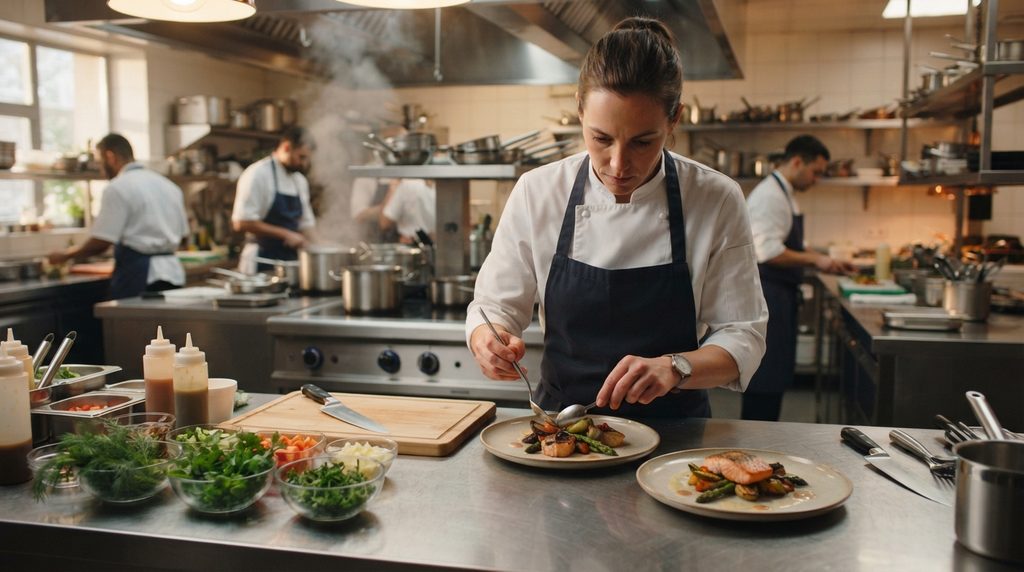
Potential sources may include:
- Shared cooking equipment
- Preparation surfaces
- Fryers
- Utensils
- Storage areas
Restaurants that serve gluten-free diners should understand these risks and communicate accurately about their preparation practices.
The Food and Drug Administration gluten-free labeling guidance explains considerations related to gluten-free food labeling.
How Restaurant Staff Support Gluten-Free Guests
Staff knowledge plays an important role in the dining experience.
Servers and restaurant teams should understand:
- Which menu items are gluten-free
- Which ingredients require confirmation
- How to communicate kitchen questions
- How to handle customer concerns
Accurate communication is especially important because customers often rely on restaurant staff when making dietary decisions.
Why Communication Between Customers and Restaurants Matters
Successful gluten-free dining requires communication from both sides.
Customers should consider explaining:
- Whether the restriction is a preference or medical requirement
- Specific concerns about ingredients
- Questions about preparation
Restaurants should provide:
- Honest information
- Clear answers
- Appropriate recommendations
Good communication helps prevent misunderstandings and improves the overall experience.
How Gluten-Free Meals Can Still Offer Variety
One common misconception is that gluten-free dining options are automatically limited.
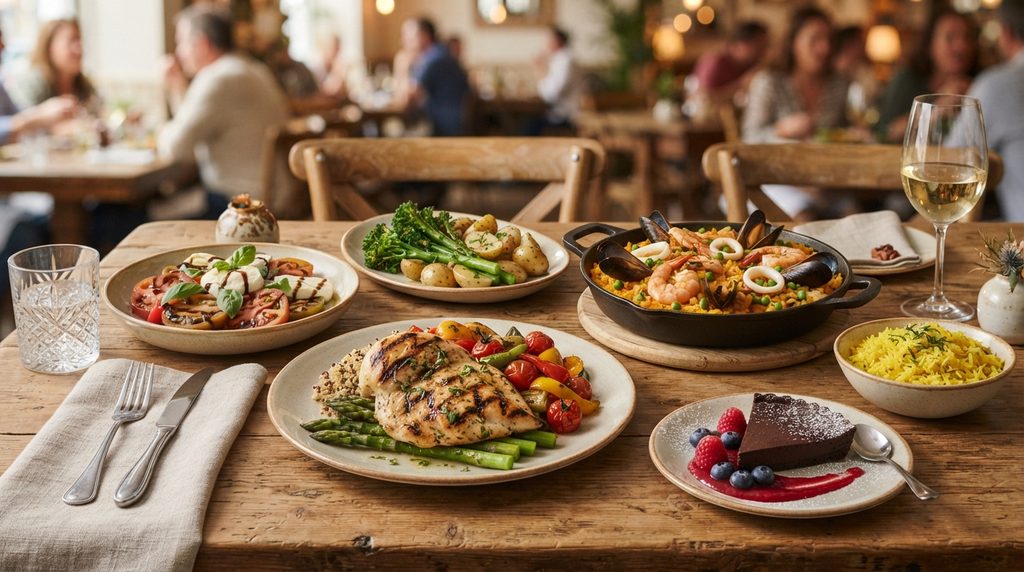
In reality, restaurants can create diverse meals using:
| Meal Category | Gluten-Free Possibilities |
| Proteins | Grilled chicken, steak, seafood |
| Vegetables | Salads, roasted vegetables, seasonal sides |
| Grains | Rice-based dishes |
| Soups | Gluten-free soup recipes |
| Entrees | Protein and vegetable combinations |
| Desserts | Gluten-free specialty options |
A thoughtful menu approach allows gluten-free guests to enjoy meals that feel complete rather than restrictive.
How Families Can Choose Gluten-Free Restaurants
Families often have mixed dietary preferences, making restaurant selection more complicated.
A restaurant that offers gluten-free choices alongside traditional menu items can make group dining easier.
Families should consider:
- Menu variety
- Gluten-free availability
- Seating environment
- Staff knowledge
- Restaurant location
A broad menu allows different family members to choose meals that fit their preferences.
For families exploring local dining options, gluten free meals can provide a useful starting point when comparing restaurant choices.
How Gluten-Free Dining Fits Into Group Meals
Group dining often includes guests with different needs.
A restaurant that accommodates gluten-free diners can make shared meals easier for:
- Families
- Friends
- Work groups
- Celebrations
Useful group dining considerations include:
- Variety of menu choices
- Easy ordering process
- Clear dietary information
- Comfortable communication with staff
When everyone at the table can find suitable options, the dining experience becomes more enjoyable.
How to Evaluate a Restaurant’s Gluten-Free Options Before Visiting
Before visiting a restaurant, guests can review several factors.
Check the Menu
Look for:
- Gluten-free labels
- Dietary information
- Available substitutions
- Ingredient descriptions
Ask Questions
Important questions may include:
- Are sauces gluten-free?
- Are preparation areas shared?
- Are substitutions available?
- Which dishes are recommended?
Consider Reviews Carefully
Customer reviews can provide insight into experiences, but individual dietary needs vary. Guests should still confirm important details directly with the restaurant.
How Restaurants Can Balance Gluten-Free Needs With Overall Dining Quality
A gluten-free menu should not feel like a separate or limited experience.
Strong gluten-free offerings focus on:
- Flavor
- Presentation
- Variety
- Quality ingredients
- Customer experience
The goal is to create meals that customers enjoy regardless of dietary restrictions.
The Future of Gluten-Free Restaurant Dining
As dietary awareness continues to grow, restaurants are increasingly considering broader menu flexibility.
Future gluten-free dining improvements may include:
- Better menu labeling
- More alternative ingredients
- Improved staff education
- Greater customer communication
- Expanded meal choices
Restaurants that understand changing customer expectations can create more inclusive dining environments.
Frequently Asked Questions
What should customers look for in a gluten-free restaurant?
Customers should look for clear menu information, knowledgeable staff, suitable meal options, and transparent preparation practices. People with medical gluten restrictions may also want to ask about cross-contact prevention procedures before ordering.
What foods are commonly available on gluten-free restaurant menus?
Gluten-free menus often include naturally gluten-free ingredients such as grilled proteins, vegetables, salads, rice-based dishes, and certain specialty meals. Available options depend on the restaurant’s ingredients, recipes, and preparation methods.
How can restaurants support customers with gluten restrictions?
Restaurants can support gluten-free customers by offering clear menu information, training staff, understanding ingredient sources, and communicating preparation practices accurately.
Are gluten-free meals always healthier?
A gluten-free meal is not automatically healthier. Nutritional value depends on the ingredients, preparation methods, portion sizes, and overall balance of the meal.
Why is cross-contact important for gluten-free diners?
Cross-contact can occur when gluten-free food comes into contact with gluten-containing ingredients or surfaces. This is particularly important for individuals who need to avoid gluten for medical reasons.
Conclusion
Supporting gluten-free dining needs requires more than offering a few alternative dishes. Restaurants create better experiences when they combine clear menu information, knowledgeable service, careful preparation, and meaningful meal choices.
For diners, a successful gluten-free restaurant experience depends on having enough information to make confident decisions. For restaurants, thoughtful gluten-free options can make the menu more inclusive while maintaining quality and flavor.
A well-designed gluten-free dining approach allows more guests to enjoy restaurant meals comfortably while creating a better overall experience for families, groups, and individual diners.