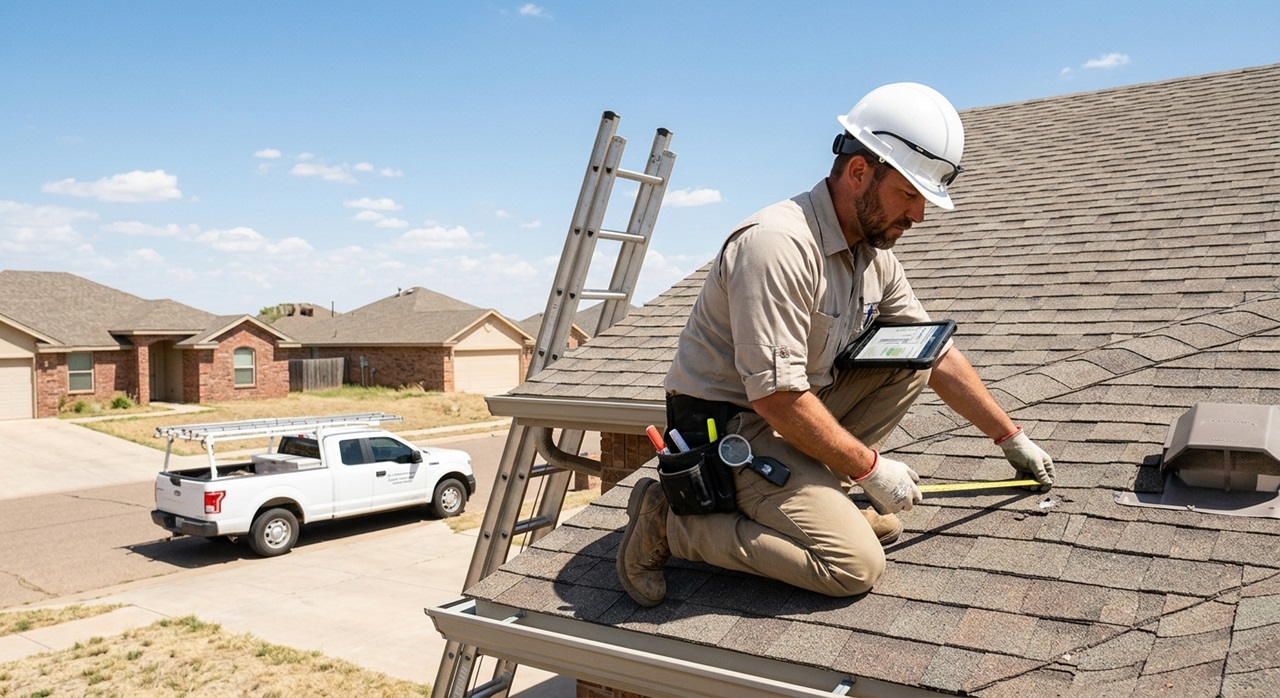

Residential roofing protects homes from weather exposure, moisture intrusion, and gradual material deterioration. For homeowners in Lubbock and across West Texas, choosing and maintaining a roof requires consideration of hailstorms, strong winds, intense sunlight, and changing weather conditions. Understanding the available options for residential roofing Lubbock TX can help homeowners make informed decisions about inspections, repairs, material selection, and long-term roof maintenance.
A residential roofing system includes more than the visible shingles or metal panels. Underlayment, flashing, roof decking, ventilation, and drainage all contribute to its overall performance. Problems with any of these components can affect the roof’s ability to protect the home.
Whether a homeowner is maintaining an existing roof, responding to storm damage, or planning a replacement, understanding how residential roofing works provides a useful foundation for evaluating contractors and choosing appropriate solutions.
Quick Answer
Residential roofing in Lubbock and West Texas requires materials, installation methods, and maintenance practices suited to local weather conditions and the home’s design.
Homeowners should focus on:
- Roof Inspections: Identify visible damage, deteriorating materials, and potential vulnerabilities.
- Roof Repairs: Address leaks, damaged shingles, flashing problems, and localized storm damage.
- Material Selection: Consider wind resistance, impact ratings, manufacturer specifications, and maintenance requirements.
- Storm Damage Assessment: Arrange professional evaluations after significant weather events.
- Roof Replacement: Consider replacement when deterioration or widespread damage makes continued repairs impractical.
- Preventive Maintenance: Monitor roof condition and maintain components that manage water and protect vulnerable areas.
The appropriate roofing solution depends on the roof’s condition, material, installation quality, and the homeowner’s long-term goals.
Key Takeaways
- West Texas roofs face hail, wind, heat, and heavy rainfall that can affect roofing performance.
- Residential roofing systems include shingles or panels, underlayment, flashing, decking, ventilation, and drainage components.
- Roof inspections can identify developing problems before they lead to more extensive damage.
- Asphalt shingles and metal roofing are common options, but suitability depends on the home and product specifications.
- Roof repairs should address the underlying cause of a problem.
- Replacement decisions should consider damage severity, roof age, and the likely value of further repairs.
- Contractor experience, written estimates, and warranty details matter when planning residential roofing work.
Why Does Residential Roofing Matter in West Texas?
The roof is a primary protective component of a home. It helps keep rainwater out, protects interior spaces, and contributes to the performance of the building envelope.
West Texas weather can place considerable demands on residential roofing materials throughout the year.
The National Weather Service Lubbock forecast office provides weather forecasts, warnings, and regional information relevant to communities across the South Plains.
Several environmental factors deserve particular attention.
Hail and Severe Storms
Hail can affect asphalt shingles, metal roofing components, vents, gutters, and other exposed materials. Damage severity depends on factors such as hail size, wind conditions, roofing material, and the roof’s existing condition.
Some damage may not be obvious from the ground. A professional inspection can help determine whether roofing materials or related components have been compromised.
Strong Winds
Strong winds can lift shingles, loosen roofing components, and damage roof edges or flashing. Even when materials remain attached, displaced components may create vulnerabilities during subsequent rainfall.
Proper installation and appropriate fastening methods help maintain roof performance.
Heat and Sun Exposure
Prolonged sunlight can contribute to material aging and deterioration. Roofing products vary in their resistance to UV exposure, so homeowners should consider manufacturer specifications and installation requirements when choosing materials.
Rainfall and Water Management
A roof must direct water away from vulnerable areas. Roof valleys, flashing, penetrations, gutters, and downspouts all contribute to water management.
Poor drainage or deteriorated flashing can allow moisture to enter the home even when much of the roof remains in good condition.
What Are the Main Components of a Residential Roofing System?
Understanding the components of a roof helps homeowners recognize why installation quality and maintenance matter.
Roofing Material
The outer roofing layer is the most visible part of the system. Common options include asphalt shingles and metal roofing, each with different installation requirements and performance characteristics.
Underlayment
Underlayment provides an additional protective layer beneath the primary roofing material. Its type and installation depend on the roof design and applicable product requirements.
Flashing
Flashing directs water away from vulnerable joints and penetrations, including roof valleys, wall intersections, chimneys, and vents.
Improperly installed or deteriorated flashing can contribute to leaks.
Roof Decking
Roof decking provides the underlying surface to which many roofing materials are attached. If moisture or deterioration affects the decking, additional repairs may be necessary before new roofing materials can be installed.
Ventilation
Roof and attic ventilation must be appropriate for the home’s design. Ventilation requirements depend on factors such as the roof assembly, attic configuration, and applicable building requirements.
Gutters and Drainage
Gutters and downspouts help direct roof runoff away from the home. Keeping drainage pathways functional can help reduce water accumulation around vulnerable exterior areas.
What Residential Roofing Materials Are Suitable for Lubbock Homes?
The best roofing material depends on the home’s structure, roof design, weather exposure, budget, and maintenance expectations. Homeowners should compare documented product performance rather than assuming that one material is ideal for every property.
Asphalt Shingles
Asphalt shingles are widely used on residential homes because they are available in different styles and product specifications.
When comparing shingles, homeowners should consider:
- Wind resistance ratings
- Impact classifications, where applicable
- Manufacturer installation instructions
- Product warranty conditions
- Expected maintenance
- Compatibility with the existing roof design
Not all shingles have the same performance characteristics. Product selection should reflect the home’s needs and the manufacturer’s requirements.
Metal Roofing
Metal roofing is an option for some residential properties and may be considered during new construction or replacement projects.
Important considerations include:
- Panel design and material
- Fastener systems
- Flashing details
- Seams and joints
- Expansion and contraction
- Drainage
- Installation requirements
Metal roofing can provide durable performance when properly selected, installed, and maintained. Its suitability depends on the particular roof design and roofing system.
How Should Homeowners Compare Roofing Materials?
A useful comparison should consider more than initial cost or appearance.
| Consideration | What Homeowners Should Review |
| Weather Performance | Documented wind and impact ratings, where applicable |
| Installation | Manufacturer requirements and contractor experience |
| Maintenance | Expected inspections and maintenance needs |
| Warranty | Coverage terms, exclusions, and maintenance requirements |
| Appearance | Compatibility with the home’s architectural style |
| Long-Term Cost | Initial installation, maintenance, and likely repair needs |
A qualified contractor should explain the differences between suitable options and help homeowners understand their advantages and limitations.
How Can Homeowners Recognize Residential Roofing Problems?
Roofing problems can develop gradually or appear suddenly after severe weather. Recognizing warning signs can help homeowners decide when to request a professional evaluation.
Common signs include:
- Missing, cracked, or displaced shingles
- Loose or damaged metal roofing components
- Deteriorated flashing
- Water stains on ceilings or walls
- Recurring leaks
- Visible storm damage
- Damaged gutters
- Deterioration around roof penetrations
Some roofing issues are difficult to identify without a closer inspection. Homeowners should avoid climbing onto roofs that may be damaged or unsafe.
Why Should Small Roof Leaks Be Investigated?
Water can travel along roofing materials or structural components before becoming visible indoors. The location of a ceiling stain may therefore differ from the point where water entered.
A professional inspection may examine shingles, flashing, roof valleys, vents, and other potential entry points.
Prompt evaluation can help prevent moisture from affecting additional building materials.
How Does Storm Damage Affect Residential Roofs?
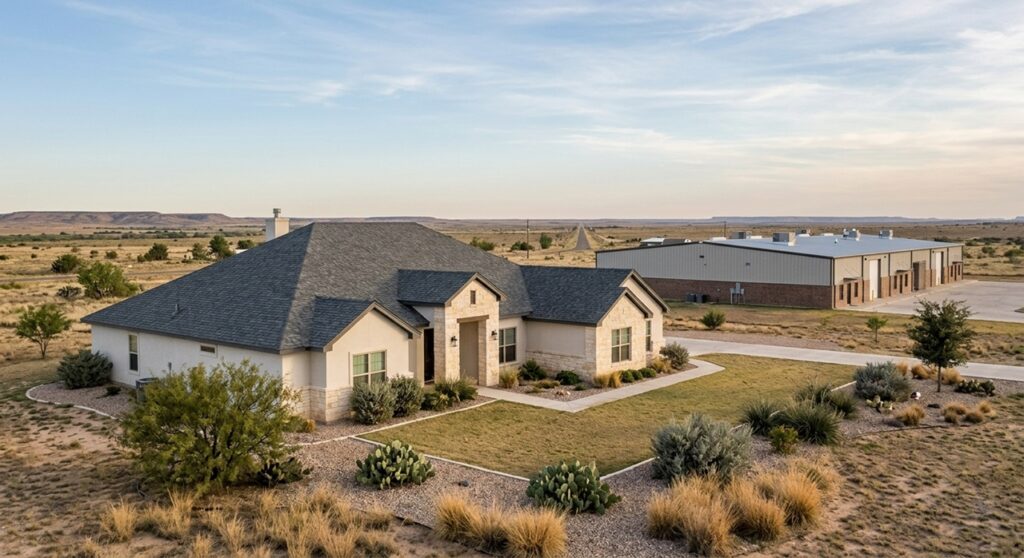
Hail and wind can damage roofing materials and related components, sometimes without producing an obvious leak immediately.
After a significant storm, homeowners should check for visible damage from a safe location and consider a professional inspection.
Recommended steps include:
- Photograph visible damage when safe.
- Record the approximate storm date.
- Note any new leaks or interior stains.
- Arrange a professional roof evaluation.
- Keep inspection reports and repair estimates.
- Retain receipts and related records.
- Review the insurance policy and applicable claim requirements.
The Texas Department of Insurance storm recovery guidance explains the importance of documenting damage and retaining records during storm recovery.
A roofing contractor can inspect the physical condition of the roof and document observed damage. Insurance coverage decisions depend on the policy and the insurer’s claim process.
When Should a Homeowner Repair or Replace a Roof?
One of the most important residential roofing decisions is determining whether an existing roof can be repaired reliably or whether replacement should be considered.
When Is Roof Repair Appropriate?
Repair may be suitable when:
- Damage is limited to a specific area.
- The surrounding materials remain in serviceable condition.
- The underlying structure is sound.
- The source of the problem can be corrected.
- The repair can restore reliable roof performance.
Examples include replacing damaged shingles, repairing flashing, correcting certain leaks, and addressing localized storm damage.
When Should Residential Roof Replacement Be Considered?
Replacement may be worth evaluating when:
- Roofing materials are extensively deteriorated.
- Damage affects large sections of the roof.
- Repairs are becoming frequent.
- Previous repairs have repeatedly failed.
- The roof has reached the end of its useful service life.
- Underlying damage is extensive.
A professional inspection helps homeowners understand the condition of the existing system and compare available options.
What Should Homeowners Consider Before Replacing a Roof?
Before committing to a replacement, homeowners should review:
- Existing roof condition
- Recommended roofing material
- Necessary decking or flashing repairs
- Removal and disposal requirements
- Installation timeline
- Warranty conditions
- Maintenance expectations
For those evaluating residential roof replacement West Texas, a detailed estimate can clarify the proposed work and help distinguish necessary repairs from optional upgrades.
How Should Homeowners Choose a Residential Roofing Contractor?
Contractor selection affects project planning, installation quality, and communication throughout the roofing process.
Evaluate Relevant Experience
Ask whether the contractor has experience with the specific roofing material, roof design, and type of work required.
Experience with residential shingle repairs, for example, does not automatically establish expertise with every metal roofing system.
Request a Detailed Written Estimate
The estimate should identify:
- Scope of work
- Roofing materials and specifications
- Labor
- Removal and disposal
- Necessary repairs
- Project scheduling
- Cleanup
- Warranty information
Compare estimates based on equivalent work rather than total price alone.
Understand the Proposed Solution
The contractor should explain the findings, the recommended work, and why that solution is suitable for the roof’s condition.
If additional damage is discovered after materials are removed, homeowners should understand how changes will be documented and approved.
Keep Project Documentation
Homeowners should retain contracts, estimates, inspection reports, photographs, receipts, and warranty documents.
These records can help with future maintenance, warranty questions, and property management.
How Can Homeowners Maintain a Residential Roof?
Preventive maintenance helps homeowners monitor roof condition and identify potential problems before they become more extensive.
Useful maintenance practices include:
- Checking for visible damage after severe storms
- Keeping gutters and downspouts functional
- Monitoring interior ceilings for water stains
- Watching for deteriorated flashing or roof edges
- Addressing known leaks promptly
- Maintaining records of inspections and repairs
- Following manufacturer maintenance recommendations
Inspection frequency depends on the roof’s age, material, condition, and exposure to severe weather. Homeowners should arrange a professional evaluation when they notice warning signs or suspect storm damage.
Maintenance does not prevent every roofing problem, but it can help identify issues early and support more informed decisions about repairs and replacement.
Practical Checklist for Residential Roofing in Lubbock and West Texas
Before starting a residential roofing project, homeowners can use this checklist:
- Identify visible roofing concerns from a safe location.
- Arrange a professional inspection.
- Record recent storms and previous repairs.
- Ask for an explanation of the roof’s condition.
- Compare suitable roofing material options.
- Request a detailed written estimate.
- Confirm the scope of work and cleanup arrangements.
- Review warranty conditions.
- Ask how unexpected repairs will be approved.
- Keep photographs, contracts, and receipts.
- Follow maintenance recommendations after the project.
FAQ
What roofing material is best for homes in Lubbock TX?
The best material depends on the home’s design, weather exposure, budget, and maintenance expectations. Asphalt shingles and metal roofing are possible options for suitable properties. Homeowners should compare product specifications and installation requirements before deciding.
How often should a residential roof be inspected in West Texas?
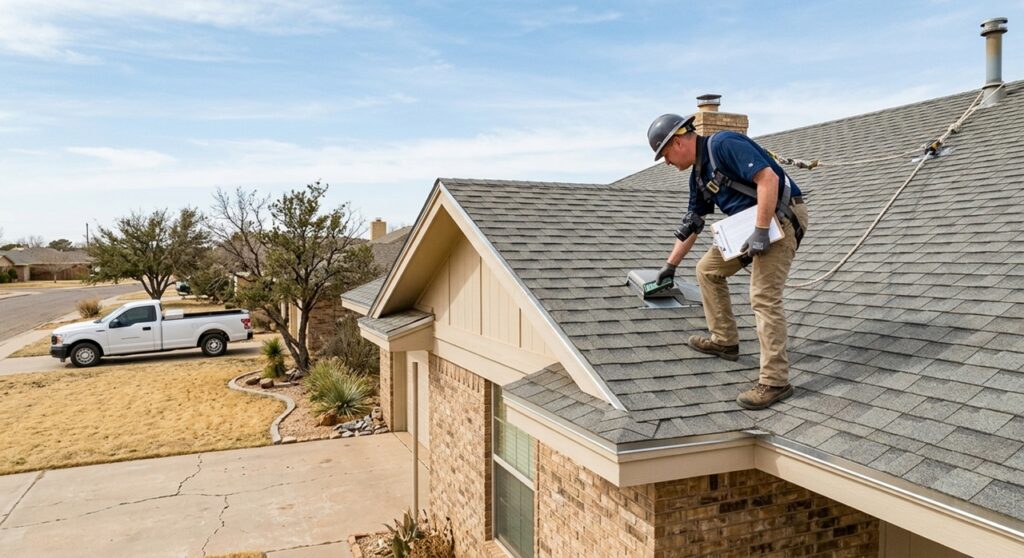
Inspection needs depend on roof age, material, condition, and exposure to severe weather. Homeowners should consider professional evaluations after significant storms and whenever they notice leaks, missing materials, or other warning signs.
Does hail damage always require residential roof replacement?
No. Localized damage may be repairable when the surrounding roof remains in suitable condition. Widespread damage or extensive deterioration may justify evaluating replacement. A professional inspection helps determine the appropriate approach.
How can I tell if my residential roof needs replacement?
Warning signs may include extensive material deterioration, recurring repairs, widespread storm damage, or persistent roofing problems. A contractor should assess the roof’s condition and explain the advantages and limitations of repair versus replacement.
What should a residential roofing estimate include?
A useful estimate should identify the scope of work, materials, labor, removal and disposal, necessary repairs, scheduling, cleanup, and warranty information. Homeowners should clarify exclusions and how additional work will be approved.
Can regular maintenance extend a residential roof’s service life?
Appropriate maintenance can help identify developing problems and address issues before they become more extensive. Actual roof lifespan depends on material, installation quality, weather exposure, maintenance, and the condition of the underlying structure.
Final Thoughts
Residential roofing in Lubbock and across West Texas requires careful attention to weather exposure, material selection, installation quality, and ongoing maintenance. Understanding how roofing components work together helps homeowners recognize potential problems and evaluate the available solutions.
Professional inspections, detailed estimates, suitable materials, and timely repairs provide a practical foundation for maintaining a roof. When deterioration or damage becomes extensive, replacement may offer a more appropriate long-term solution than repeated repairs.
Homeowners considering residential roof replacement West Texas should evaluate the roof’s actual condition, compare suitable material options, and review the proposed work before making a decision.