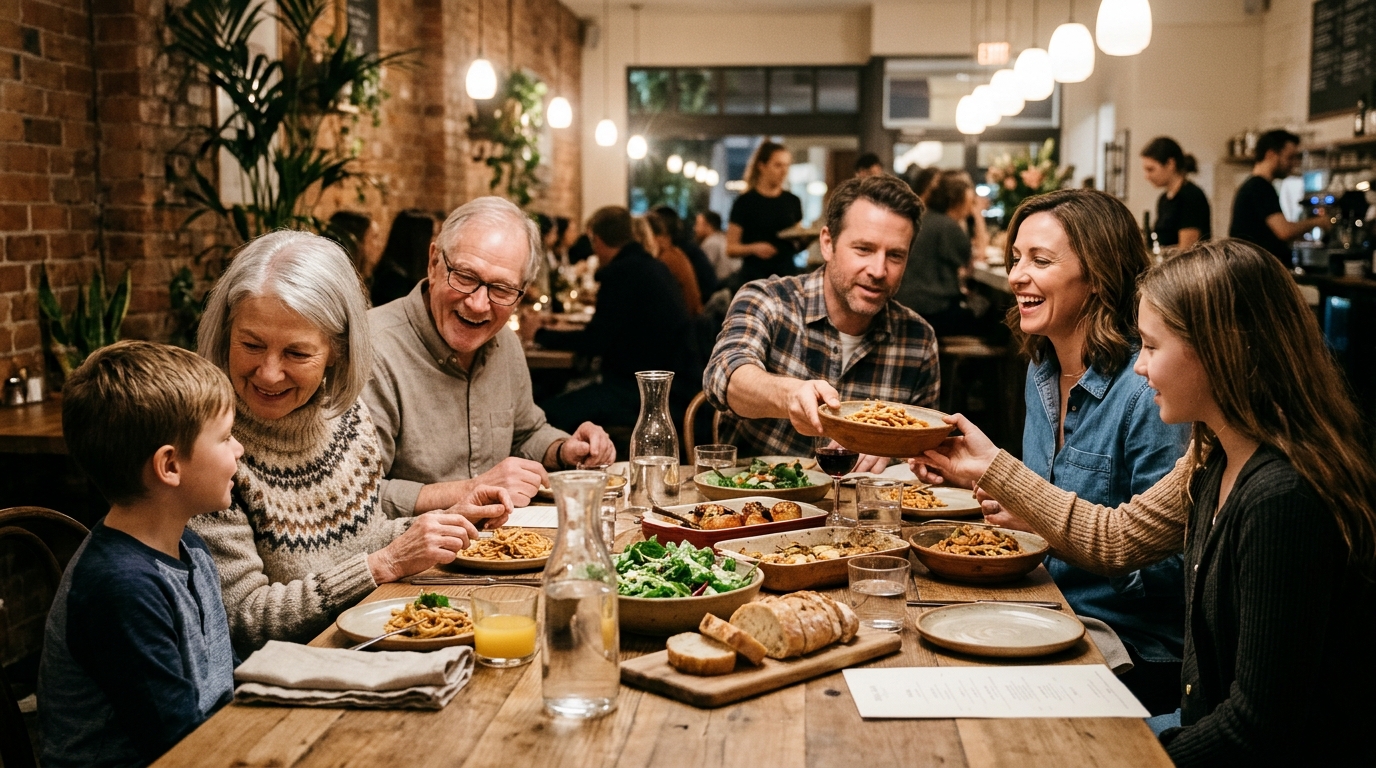

Family restaurants create memorable dining experiences by bringing people together in a comfortable setting where everyone can enjoy good food, conversation, and time with loved ones. From everyday dinners to birthdays and weekend gatherings, these restaurants offer more than a place to eat. Their atmosphere, menu variety, food quality, and customer service all contribute to an experience that families want to repeat.
A successful family dining experience considers the needs of different age groups, individual food preferences, and the purpose of the visit. Parents may appreciate convenient service and menu variety, while children may prefer familiar meals and a relaxed environment. When restaurants accommodate these different expectations, they can become regular destinations for family outings.
Understanding what makes family restaurants enjoyable helps customers choose suitable dining locations and explains why certain restaurants become familiar gathering places for generations.
Key Takeaways
- Family restaurants provide welcoming environments for people of different ages.
- Menu variety helps accommodate different tastes and dietary preferences.
- Consistent food quality and attentive service encourage repeat visits.
- Comfortable seating and a relaxed atmosphere support family conversations.
- Special occasions create opportunities for memorable restaurant experiences.
- Convenient locations, reasonable menu options, and efficient service improve customer satisfaction.
- Restaurants that balance familiarity with variety can appeal to multiple generations.
What Makes a Family Restaurant Experience Memorable?
A memorable family restaurant experience combines good food, comfortable surroundings, and positive interactions. Customers may initially choose a restaurant because of its menu or location, but the overall experience often determines whether they return.
Several elements contribute to a satisfying visit.
| Experience Factor | Why It Matters |
| Food quality | Creates a positive impression and encourages repeat visits |
| Menu variety | Helps accommodate different preferences and appetites |
| Comfortable atmosphere | Makes it easier for families to relax and enjoy meals |
| Attentive service | Helps customers feel welcomed and supported |
| Convenient location | Makes regular family outings easier to plan |
| Consistency | Gives returning customers familiar expectations |
| Suitable seating | Helps accommodate families and larger groups |
These elements work together to create an experience that goes beyond the food itself. A restaurant that consistently meets customer expectations can become a familiar part of a family’s dining routine.
Why a Welcoming Atmosphere Matters for Family Dining
The atmosphere of a restaurant influences how comfortable customers feel during their visit. Families often look for environments where they can enjoy conversations without feeling rushed or uncomfortable.
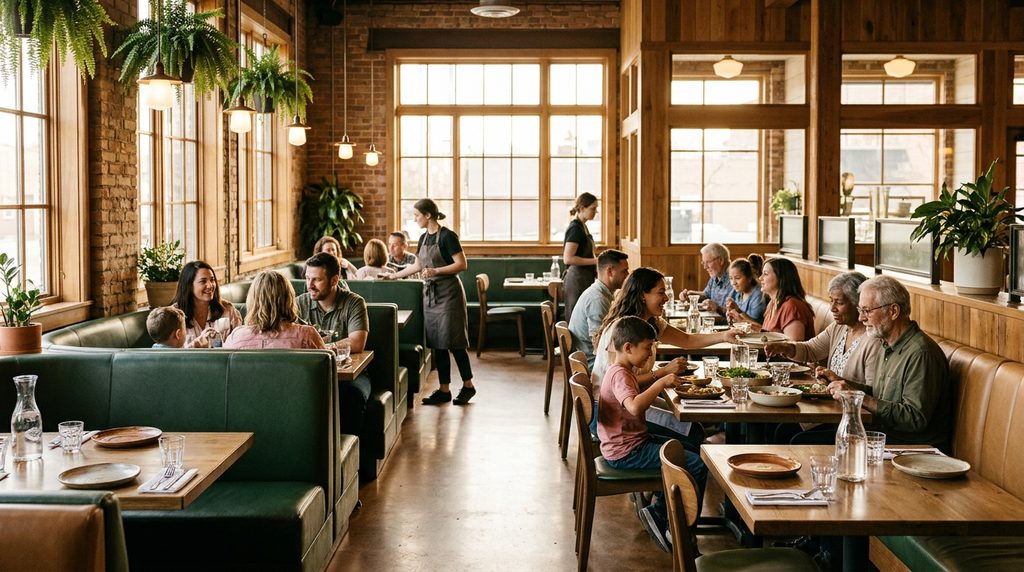
A welcoming restaurant does not necessarily need elaborate decorations or formal surroundings. Clean dining areas, comfortable seating, appropriate lighting, and helpful staff can contribute significantly to the experience.
Comfortable Seating and Dining Arrangements
Families may include young children, older adults, and several guests with different seating needs. Restaurants that offer suitable table arrangements make it easier for everyone to enjoy the meal.
Important considerations include:
- Tables with enough room for the group.
- Comfortable chairs and accessible seating arrangements.
- Space for strollers where practical.
- Clear pathways between tables.
- Suitable arrangements for larger family gatherings.
Advance communication can help families confirm whether a restaurant can accommodate their group.
A Relaxed Environment
A relaxed atmosphere allows families to enjoy meals at a comfortable pace. Parents may appreciate a setting where children can participate in the dining experience without unnecessary pressure.
The restaurant’s noise level, seating layout, and service approach can all influence how suitable the environment feels for different families.
How Menu Variety Makes Family Restaurants More Appealing
Families rarely have identical food preferences. Children may prefer familiar dishes, while adults may want more substantial entrees or different flavor combinations.
A varied menu makes it easier for everyone to find something suitable without requiring separate restaurant visits.
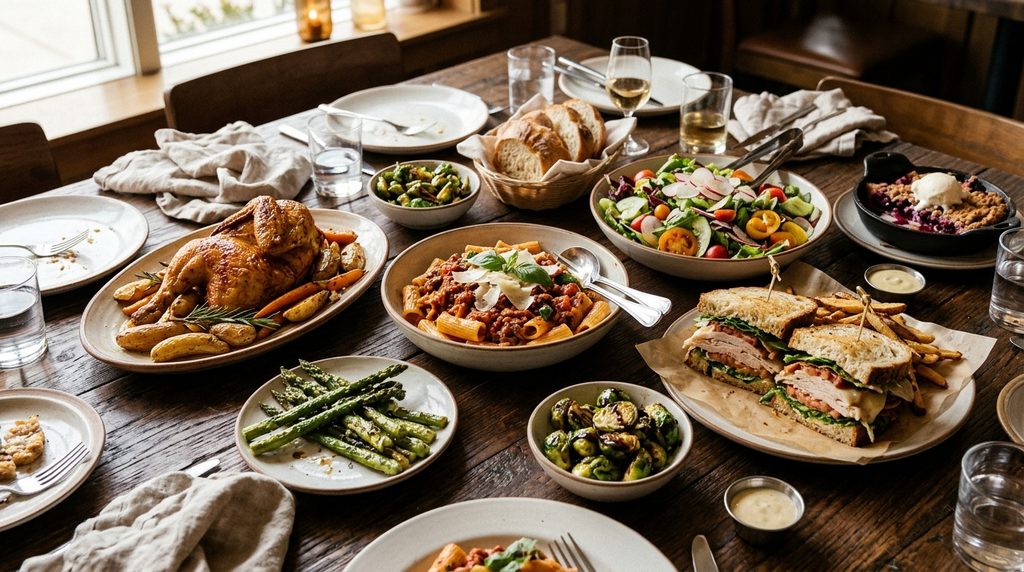
Popular family dining categories include:
- Chicken Dishes: Grilled, baked, or traditionally prepared chicken meals.
- Pasta: Creamy, tomato-based, and other familiar pasta preparations.
- Sandwiches: Convenient options for lunch and casual dining.
- Comfort Food: Traditional entrees, potatoes, vegetables, and familiar sides.
- Salads: Options for customers who prefer lighter meals.
- Desserts: Cakes, pies, brownies, and other sweet finishes.
Restaurants can also make menu selection easier through clear descriptions, ingredient information, and straightforward customization options.
For customers exploring a family dining restaurant, menu variety is an important consideration when choosing a place that can accommodate several people.
Why Food Quality and Consistency Encourage Repeat Visits
Food quality is one of the strongest influences on customer satisfaction. Families are more likely to return when meals are prepared consistently and match their expectations.
Consistency involves several aspects of restaurant operations, including ingredient selection, cooking methods, portion sizes, and presentation.
Maintaining Familiar Menu Favorites
Some families develop preferences for particular restaurant dishes. A favorite entree, side dish, or dessert may become part of their regular dining routine.
Maintaining the expected flavor and preparation of popular dishes helps restaurants build familiarity with returning customers.
Using Appropriate Ingredients
Ingredient selection affects the flavor, texture, and overall quality of meals. Restaurants should choose ingredients suitable for their recipes and maintain appropriate food-handling and storage practices.
Clear menu descriptions also help customers understand what they are ordering.
Preparing Meals Consistently
Standardized preparation procedures can help restaurant teams deliver dependable results across different visits. Cooking times, seasoning, portion measurements, and presentation all contribute to consistency.
Customers may remember a restaurant for one particularly enjoyable meal, but consistent experiences give them reasons to return.
How Attentive Customer Service Improves Family Dining
Customer service is an important part of the restaurant experience, particularly when several people are dining together. Families may need assistance with menu selections, seating arrangements, special requests, or order modifications.
Attentive service can make these interactions easier.
Helpful service practices include:
- Greeting customers courteously.
- Explaining menu items when requested.
- Confirming larger or customized orders.
- Communicating realistic waiting times.
- Responding professionally to concerns.
- Providing accurate information about ingredients and allergens.
Good service does not require constant attention at the table. It involves understanding customer needs and responding appropriately.
For families with young children or older relatives, small details such as accommodating seating requests or communicating clearly can make the visit more comfortable.
How Family Restaurants Make Special Occasions More Meaningful
Restaurants frequently become gathering places for important family occasions. A familiar dining environment can make celebrations easier to organize while allowing everyone to enjoy a meal together.
Common occasions include:
| Occasion | What Families May Look For |
| Birthdays | Suitable seating, dessert options, and group arrangements |
| Anniversaries | Comfortable atmosphere and preferred menu selections |
| Graduations | Space for relatives and convenient group dining |
| Family reunions | Seating capacity and menu variety |
| Holiday gatherings | Suitable dining arrangements and advance availability |
| Weekend celebrations | Flexible meal options and convenient service |
Restaurants can support these occasions by communicating reservation requirements, group arrangements, and available menu options.
Families should confirm important details before visiting, especially when planning larger gatherings.
Why Family-Friendly Dining Encourages Generational Traditions
Some restaurants become regular destinations because families return over many years. Parents may introduce children to a restaurant they enjoyed growing up, and those children may eventually bring their own families.
These repeated visits can turn an ordinary restaurant into a meaningful part of family history.
Several factors contribute to these traditions:
- Familiar dishes that customers enjoy across generations.
- Welcoming service that encourages repeat visits.
- Comfortable environments suitable for different age groups.
- Convenient locations for recurring family outings.
- Positive memories connected to birthdays and other milestones.
A restaurant does not need to be historic to become part of a family’s tradition. Consistently enjoyable experiences can create meaningful connections over time.
How Restaurants Can Accommodate Different Generations
Family dining often involves people with different ages, preferences, and practical needs. A restaurant that recognizes these differences can make group dining more convenient.
Dining Options for Children
Children may prefer familiar foods, smaller portions, and straightforward menu descriptions. Restaurants can make ordering easier by offering approachable dishes and clearly explaining available ingredients.
Comfortable Dining for Adults
Adults may prioritize menu variety, food quality, atmosphere, and service. A restaurant that offers different entree styles and suitable accompaniments can help accommodate these preferences.
Accessibility for Older Family Members
Older guests may appreciate comfortable seating, accessible entrances, clear pathways, and menus that are easy to read.
Restaurants should consider accessibility as part of the overall dining experience rather than treating it as an occasional request.
Accommodating Dietary Preferences
Families may include people with food allergies, dietary restrictions, or specific ingredient preferences. Clear communication is important when determining whether suitable meals are available.
Customers should confirm allergen information and food preparation procedures directly with restaurant staff, particularly when cross-contact could create a health risk.
What Role Does Restaurant Convenience Play in Family Dining?
Convenience influences whether families choose a restaurant for regular meals or special occasions. Even an appealing menu may not be enough if the location, ordering process, or waiting arrangements make the visit difficult.
Several practical factors influence convenience.
| Convenience Factor | Benefit for Families |
| Accessible location | Makes traveling to the restaurant easier |
| Clear operating hours | Helps families plan visits |
| Efficient service | Reduces unnecessary waiting |
| Online menu access | Allows customers to review options beforehand |
| Reservation availability | Helps organize larger gatherings |
| Takeout options | Provides an alternative to dining inside |
Convenience does not mean every restaurant needs to offer every service. The most useful features depend on the restaurant’s format and the needs of its customers.
For example, families planning a quick weekday meal may prioritize location and service speed, while larger groups may place greater importance on reservations and seating arrangements.
How Family Restaurants Create Opportunities for Connection
Sharing a meal provides an opportunity for family members to spend time together outside their usual routines. Restaurants offer a setting where people can talk, celebrate, and enjoy food without having to organize every aspect of the meal at home.
Family dining can support several types of shared experiences:
- Parents and children spending time together after a busy day.
- Relatives catching up during weekend meals.
- Grandparents sharing meals with younger family members.
- Families celebrating achievements and milestones.
- Friends and extended relatives gathering for special occasions.
The restaurant environment contributes to these experiences, but the people sharing the meal remain the most important part.
A comfortable setting, suitable menu, and dependable service can make it easier for families to focus on enjoying their time together.
What Should Families Consider Before Choosing a Restaurant?
Selecting a restaurant becomes easier when families consider their practical needs before making a decision.
The following checklist can help narrow down suitable options.
| Selection Factor | Questions to Ask |
| Menu variety | Are there dishes that suit everyone? |
| Price range | Does the menu fit the family’s budget? |
| Seating | Can the restaurant accommodate the group? |
| Location | Is the restaurant convenient to reach? |
| Atmosphere | Is the environment suitable for the occasion? |
| Dietary requirements | Can staff confirm relevant ingredients and preparation details? |
| Service | Does the dining style suit the available time? |
| Availability | Are reservations or advance arrangements necessary? |
Reviewing these details can help avoid unnecessary inconvenience and make restaurant selection more straightforward.
Families exploring a family-friendly restaurant may find it useful to review the restaurant’s menu, location, and available dining arrangements before visiting.
How Restaurants Build Long-Term Relationships With Families
Building customer loyalty requires more than providing a single enjoyable meal. Restaurants need to maintain dependable standards and create experiences that encourage customers to return.
Long-term relationships often develop through several practices.
Consistent Hospitality
Customers appreciate respectful communication, accurate orders, and helpful service. Consistency across visits helps establish confidence in the restaurant.
Listening to Customer Feedback
Feedback can reveal problems with menu choices, service procedures, seating, or other aspects of the dining experience.
Restaurants that respond constructively to feedback can identify practical improvements while maintaining their established strengths.
Maintaining Recognizable Menu Favorites
Regular customers may develop strong preferences for particular dishes. Maintaining popular menu items can provide familiarity while allowing the restaurant to introduce new options.
Creating a Recognizable Dining Identity
A restaurant’s identity may come from its food, atmosphere, service approach, or history. Maintaining a recognizable experience can help customers understand what makes the establishment distinctive.
How Family Restaurants Balance Tradition With Changing Preferences
Customer expectations change over time. Families may increasingly value online menu access, convenient ordering, updated payment options, and greater transparency about ingredients.
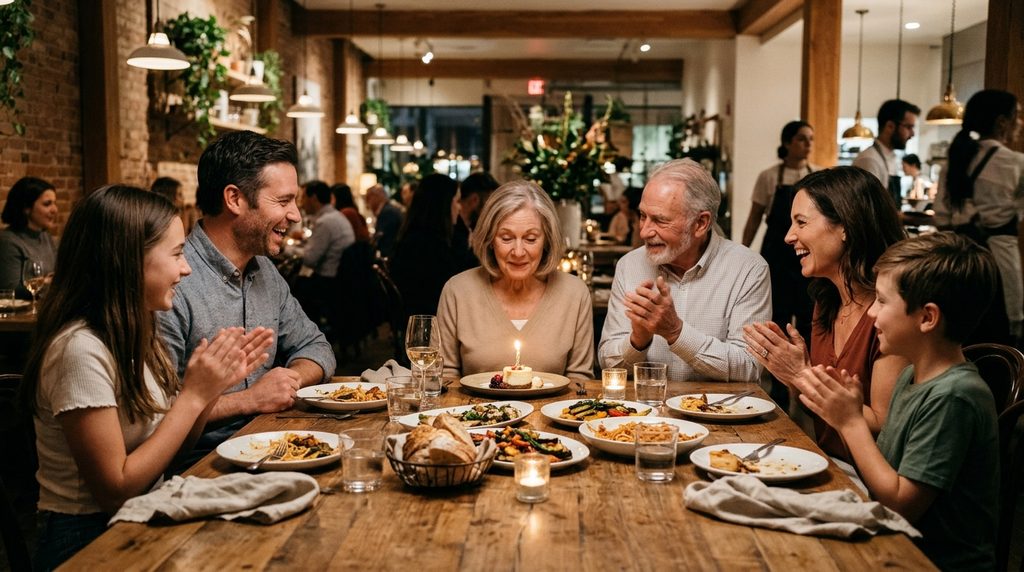
Restaurants need to respond to these expectations without losing the familiar qualities that customers appreciate.
A balanced approach may include:
- Retaining popular traditional dishes.
- Introducing new menu selections.
- Improving online menu information.
- Providing clearer ingredient descriptions.
- Updating facilities where practical.
- Making ordering and payment more convenient.
- Maintaining established hospitality standards.
The goal is not to change everything. It is to improve the experience while preserving the qualities that make customers want to return.
How to Recognize a Restaurant With a Strong Family Dining Experience
Customers can evaluate several indicators when deciding whether a restaurant is suitable for a family outing.
A strong family dining experience often includes:
- A Suitable Menu: Different age groups can find appealing meal options.
- Comfortable Surroundings: The restaurant provides an environment appropriate for the group.
- Reliable Food Preparation: Meals meet reasonable expectations for quality and consistency.
- Helpful Service: Staff communicate clearly and respond to customer needs.
- Practical Convenience: Location, seating, and service arrangements suit the occasion.
- A Welcoming Identity: The restaurant provides an experience that encourages customers to return.
No single factor determines whether a restaurant is family-friendly. The overall combination of food, service, environment, and convenience matters most.
Frequently Asked Questions
What makes a restaurant family-friendly?
A family-friendly restaurant generally offers a welcoming atmosphere, suitable seating, varied menu choices, and service that accommodates customers of different ages. Accessibility, convenient locations, and clear menu information can also contribute to a comfortable family dining experience.
Why do families prefer restaurants with diverse menus?
Families often have different tastes, appetites, and dietary preferences. A diverse menu makes it easier for each person to find something suitable without requiring the group to compromise on every meal choice.
How can restaurants make dining easier for families with children?
Restaurants can offer familiar food choices, clear menu descriptions, comfortable seating, and helpful service. Accommodating reasonable seating requests and communicating waiting times can also make visits more convenient.
What should families look for when choosing a restaurant for celebrations?
Families should consider group seating, menu variety, budget, atmosphere, reservation requirements, and available services. Confirming these details beforehand can make birthdays, anniversaries, and other gatherings easier to organize.
How do family restaurants encourage repeat customers?
Restaurants encourage repeat visits through consistent food quality, attentive service, familiar menu favorites, and comfortable dining environments. Positive experiences associated with family gatherings and celebrations can also create lasting customer relationships.
Conclusion
Family restaurants create memorable experiences by combining enjoyable food, welcoming environments, thoughtful service, and practical convenience. Their ability to accommodate different ages, tastes, and occasions makes them valuable gathering places for everyday meals and important celebrations.
Consistent food quality and recognizable menu favorites can encourage families to return, while comfortable surroundings and attentive service help make each visit more enjoyable. Restaurants that balance established traditions with changing customer expectations can build lasting relationships across generations.
Ultimately, a memorable family dining experience is about more than the meal. It is about creating a comfortable setting where people can spend time together, celebrate important moments, and develop traditions worth repeating.